04 / Conditional generative vision
Image Colorization using Deep Learning
A cGAN pipeline that predicts vivid, context-aware color for grayscale photography without damaging the original image structure.
The challenge
Problem & approach
Pixel-wise regression tends to average uncertain colors into dull sepia tones, while deep encoders can let color bleed across object boundaries. Working in LAB space separates structure from color; adversarial training encourages vivid predictions and U-Net skip connections preserve precise edges.
VISUAL RESULT
Grayscale to context-aware color
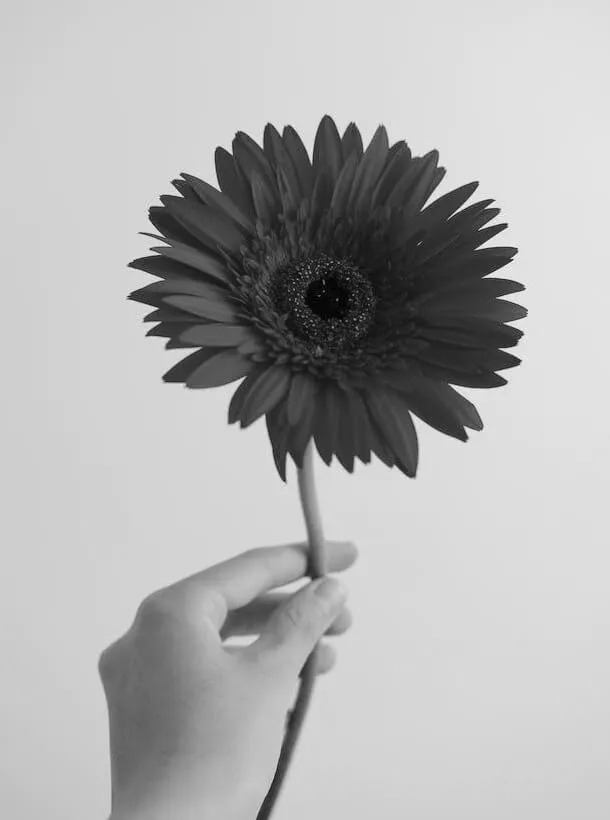

Generated demonstration example. Replace with a captured model output when final test samples are available.
Vibrant prediction
L1 and adversarial losses balance structural accuracy with plausible, committed color.
Clean boundaries
U-Net skip connections retain spatial detail so colors follow object edges.
System architecture
Separate
Convert training images to LAB and isolate the L channel from the target a and b colors.
Generate
Map luminance to color channels with a U-Net and high-resolution skip connections.
Judge
Use a PatchGAN discriminator to score local realism and discourage washed-out averages.
Recombine
Merge predicted color with source luminance and evaluate structural and signal fidelity.
Next case study